Car Key Replacement by Make, Model, and Key Type
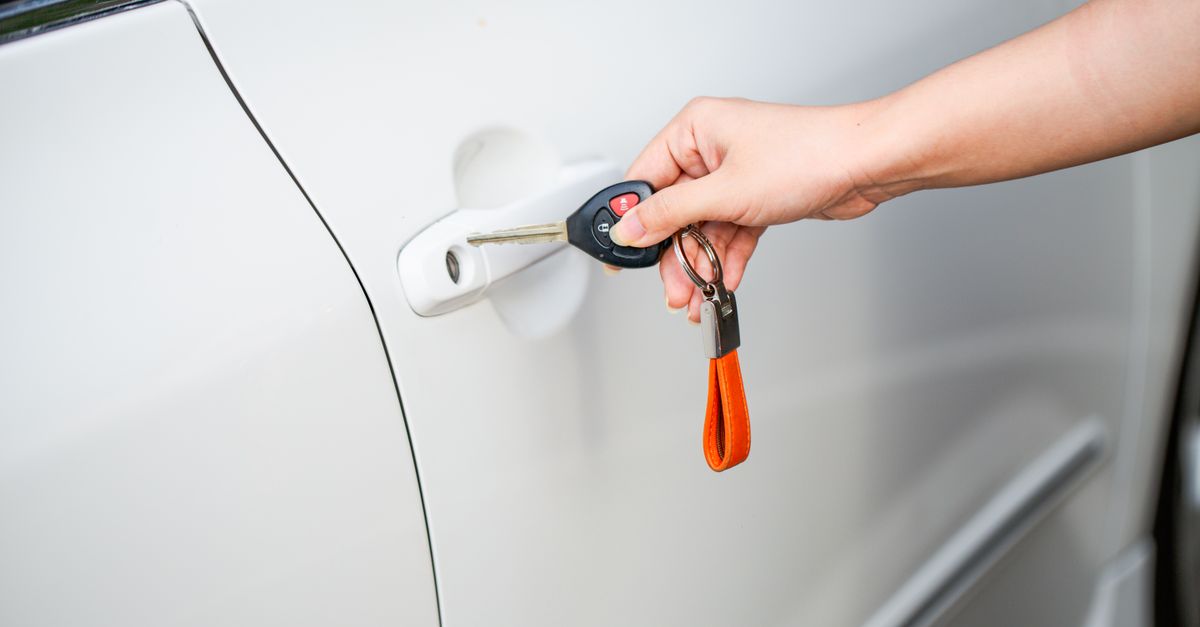
Not every replacement key job is the same, and the type of key your vehicle uses is the single biggest factor in how the service unfolds. Basic metal keys without any electronic component are the most straightforward — a technician measures the original (or decodes the lock cylinder directly if you have no working key) and cuts a new blade on the spot. Transponder keys add a programmable chip inside the head of the key that must be synchronized with your vehicle's engine control unit before the car will start. Flip keys and switchblade-style keys combine the chip with a folding blade mechanism, while proximity or smart keys communicate wirelessly with the vehicle from your pocket. Remote-head keys integrate a key fob with a traditional blade. We handle all of these for domestic brands including Ford, GM, Chrysler, and Dodge, as well as Japanese makes like Toyota, Honda, Nissan, and Subaru, European models including BMW, Mercedes-Benz, Audi, and Volkswagen, and more.
The make and model also determines which key blank and programming protocol apply, which is why our technicians reference updated vehicle databases and carry an extensive inventory of blanks and aftermarket transponder shells. If you have a second working key available, programming is typically faster; if all keys are lost, the process involves additional steps to reset the vehicle's immobilizer — something our team performs routinely. Either way, we confirm exactly what's involved and give you a firm, up-front price before a single cut is made.